The Documents
The book's essays make claims. These are the things the claims rest on: manuscripts, first editions, letters, an inscription, a bust, a flyleaf. Each is listed here with the institution that holds it, its shelf mark, what it shows, and the passage of the book it supports.
The Vatican manuscript
Vaticanus graecus 1950, fourteenth century
Biblioteca Apostolica Vaticana, RomeThe oldest complete witness to the Greek text, the manuscript Leopold had photographed for the edition this translation follows. A page from the Meditations, likely the opening of Book Two.
In the book: How This Book Survived; A Note on the Translation
The first printed edition
Zurich, 1558 or 1559
Bayerische Staatsbibliothek, MunichWilhelm Xylander's editio princeps, the book that gave the world the Meditations in print, with the Latin translation that carried it into Europe's libraries. Title page and first page of Greek.
In the book: How This Book Survived
Casaubon's English, 1634
London, 1634
Folger Shakespeare Library, WashingtonThe first English translation, opened at the start of Book Five, the passage the translation note sets beside this edition's own.
In the book: A Note on the Translation
The Fronto palimpsest
Biblioteca Ambrosiana, E 147 sup.
Biblioteca Ambrosiana, MilanA leaf on which the Acts of the Council of Chalcedon were written over the letters of Fronto, and through which Cardinal Mai read them again in 1815.
In the book: Fronto's Letters; How This Book Survived
Mai's Fronto, 1815
Milan, 1815
Public domainThe title page of the edition that returned the schoolboy's letters to the world after sixteen centuries.
In the book: How This Book Survived
Leopold's Oxford text, 1908
Oxford Classical Texts
Public domainThe title page, and the dateline of the preface, signed at Rotterdam in March 1907, of the edition this translation rests on.
In the book: A Note on the Translation
Frederick's Antimachiavel
Œuvres de Frédéric le Grand, VIII, 91
Universität Trier; Staatsbibliothek zu BerlinThe page on which the young king, in the year he took the throne, named Marcus Aurelius his model.
In the book: Who Carried This Book
The Kunersdorf note
Politische Correspondenz, vol. 18
Geheimes Staatsarchiv Preußischer Kulturbesitz, BerlinFrederick's note to Finckenstein on the evening of the twelfth of August 1759: of an army of forty-eight thousand, not three thousand left.
In the book: Who Carried This Book
The bust at Sanssouci
Upper terrace
Stiftung Preußische Schlösser und GärtenThe copy of the Polignac bust of Marcus Aurelius that stands within sight of Frederick's grave.
In the book: Who Carried This Book
Roosevelt's flyleaf
Catalogue o284909
Theodore Roosevelt Birthplace, National Park ServiceThe inscription, in his own hand, recording that this copy went down the River of Doubt with him.
In the book: Who Carried This Book
The VMI transcript
25 September 2018
U.S. Department of DefenseThe record of the words about the tattered copy in the rucksack, spoken to cadets.
In the book: Who Carried This Book
Lanterns on the Levee
Knopf, 1941
Mississippi Department of Archives and HistoryThe page with the wintry kingdom of Marcus Aurelius, from the first edition or from Percy's papers.
In the book: Who Carried This Book
From the book itself
The title page of the hardcover.
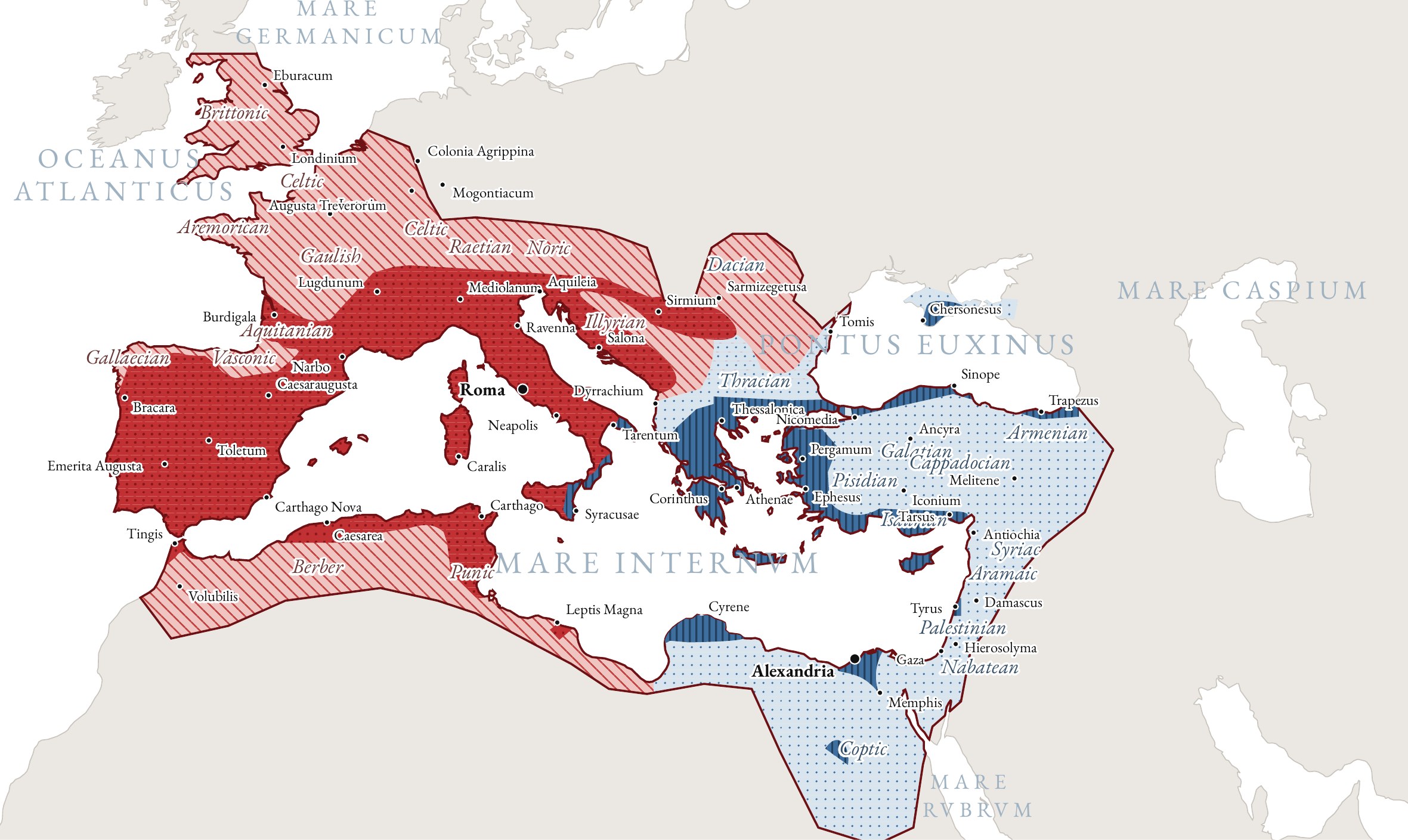
The map, drawn for this edition. Explore it.